How to Choose Cat Litter Based on Your Cat’s Life Stage and Needs
- Nguyên Nguyễn Khôi
- Mar 6
- 4 min read

Updated: Mar 12

Raising a cat is not only about providing food but also creating a clean and comfortable living environment. One factor many owners overlook is choosing the right cat litter. In many cases, problems such as litter box avoidance or stress can be linked to unsuitable litter.
In this article, Vapo Cat shares practical experience to help you:
Understand your cat's hygiene needs at each stage of growth
Identify the most suitable type of litter for their condition
Choose the most appropriate option with confidence
By doing so, you can care for your cat in a way that is more scientific, economical, and sustainable.
1. Why Does Cat Litter Selection Actually Matter?
Beyond hygiene, cat litter also impacts a cat's sense of territory and security. A familiar-smelling and easy-to-use litter box helps cats feel that the area is safe and belongs to them, leading to more consistent bathroom habits. When the litter isn't right, cats tend to avoid the box altogether.
Common reasons include:
Overpowering chemical scents: Litter containing heavy fragrances or strong deodorizers can irritate a cat's highly sensitive sense of smell.
High dust levels causing respiratory discomfort: Fine dust particles kicked up when cats dig can lead to sneezing, shortness of breath, and respiratory irritation.
Hard or sharp textures: Coarse, sharp-edged particles can hurt their paws, making cats feel uncomfortable using the box.
Poor clumping, leading to wet paws: Litter that doesn't clump well makes the box get dirty quickly and creates an unpleasant sensation for the cat.
If these issues persist, cats can easily develop a long-term habit of inappropriate urination (going outside the box).
2. Essential Criteria for Choosing Cat Litter: A Beginner’s Guide
As a new cat parent, choosing the right cat litter can feel overwhelming because there are so many options available today. Here are the key factors to keep in mind before you buy.
2.1 Safety and Minimal Dust
Cats often dig in the litter and lick their paws after using the box, so the litter must be low-dust and free of irritants. Excessive dust can cause sneezing and breathing difficulties, leading to long-term health issues.
For new owners, priority should be given to highly processed, low-dust formulas to ensure the safety of both the cat and the caregiver.
2.2 Clumping & Odor Control
Litter with good clumping ability will turn waste into firm clumps, making it easy to scoop out without contaminating the rest of the litter. This keeps the litter box dry and minimizes unpleasant odors in your home.
On the other hand, if the litter clumps poorly, urine will seep to the bottom of the tray, causing foul smells and making cleaning much more time-consuming.
2.3 Durability and Cleaning Convenience
A high-quality litter should maintain stable performance over time. Litters that clump well, do not stick to the bottom, and are easy to scoop can save both time and effort in daily cleaning.
3. Popular Types of Cat Litter Today
Today, several types of cat litter are commonly available, each made from different materials and designed for different needs.
Based on these criteria, Vapo Cat’s litter products are developed to balance safety, odor control, and convenience in daily use.
3.1 Bentonite Clay Litter (Clumping Clay)
Key Characteristics:
Fast and firm clumping
Strong odor control
Easy to clean
Affordable and widely available
Best Suited For:
Adult cats
Multi-cat households
Owners who clean the litter box frequently
3.2 Silica Gel Litter (Crystal Litter)
Key Characteristics:
High absorbency
Requires infrequent replacement
Keeps the tray dry at all times
Excellent odor control
Best Suited For:
Busy owners
Small apartments
Owners who prioritize convenience
3.3 Natural Coconut Coir Litter
Key Characteristics:
Natural origin
Eco-friendly
Lightweight and easy to handle
Naturally mild scent
Best Suited For:
Kittens
Sensitive cats
Owners who prioritize natural products
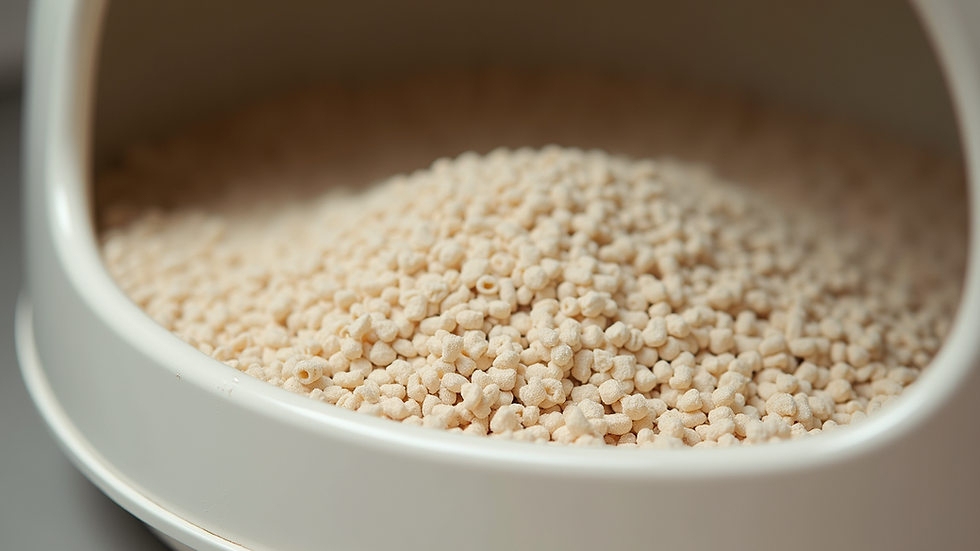
3.4 Organic Tofu Cat Litter
Key Characteristics:
Plant-based
Biodegradable
Low-dust
Generally safe and low-dust
Best Suited For:
Allergy-prone cats
Families with young children
Health and eco-conscious owners
4. Litter Recommendations by Life Stage and Needs
4.1 For Kittens (Under 6 Months)
Priority should be given to lightweight, low-dust litters that are safe if accidentally ingested.
4.2 For Adult Cats
Look for litters with excellent odor control and easy cleanup to help maintain a stable routine.
4.3 For Sensitive Cats
Choose litters made from natural ingredients, while minimizing fragrances and fine dust.
4.4 For Multi-Cat Households
Prioritize litters that are fast-clumping, cost-effective, and easy to manage on a daily basis.
4.5 For Busy Owners
Select litters with high absorbency that require less frequent replacement.
5. Tips for Transitioning to a New Cat Litter
When switching to a new type of litter, you should do it gradually to help your cat adapt easily:
Week 1: 70% old litter + 30% new litter
Week 2: 50% old litter + 50% new litter
Week 3: 100% new litter
A slow transition helps prevent your cat from refusing to use the litter box.
6. Conclusion
Each stage of a cat’s life comes with different hygiene needs. By understanding the characteristics of different litter types and your cat’s specific condition, you can create a more comfortable and stable living environment for them. Choosing the right litter not only helps keep your home clean but can also reduce stress, respiratory irritation, and litter box avoidance.
Today, many types of litter are available, from bentonite and silica to natural options like coconut husk and tofu litter. Selecting the one that best matches your cat’s needs can make daily care much easier. Vapo Cat develops its litter products with these factors in mind, aiming to provide stable odor control, reliable clumping, and convenient daily use for cat owners.


Comments