Ragdoll Cats: Personality, Care & What to Know Before You Adopt
- Nguyên Nguyễn Khôi
- 6 days ago
- 5 min read

If you've ever wanted a cat that genuinely wants to be near you — without being clingy or loud about it — the Ragdoll might be exactly what you're looking for.

Among the most admired cat breeds in the world, the Ragdoll consistently ranks #2 in popularity according to the Cat Fanciers' Association (CFA). But popularity alone doesn't tell you whether a breed is right for your home. That's what this guide is for.
What truly sets the Ragdoll apart isn't their striking blue eyes or their silky semi-long coat — though both are hard to ignore. It's how they relate to people. Calm, trusting, and quietly devoted, Ragdolls have a way of making a home feel warmer without demanding anything in return.
Quick Facts About the Ragdoll
Characteristic | Detail |
Origin | United States of America |
Size | 4.5 – 9 kg (males are typically larger) |
Lifespan | 12 – 17 years |
Coat type | Semi-long hair |
Energy level | Moderate |
Grooming needs | Low to moderate |
Best suited for | Calm households, indoor living |
CFA Popularity Ranking |
Developed in the 1960s, the Ragdoll was selectively bred for its relaxed disposition and sociable nature — and that intentionality shows in every aspect of the breed's personality.
Personality: How Ragdolls Experience the World
The best way a Ragdoll is often described is simple: a golden retriever in a cat suit. That might sound like an exaggeration, but spend time reading about this breed — or talking to anyone who owns one — and you'll understand exactly what it means.
Ragdolls approach the world with an almost unusual level of trust. When you pick one up, many will go completely limp in your arms, relaxed from head to tail. That's actually where the breed gets its name. It's not passivity — it's a cat that feels genuinely safe with you.
Calm, but present
Ragdolls enjoy companionship in a way that feels steady rather than intense. They'll follow you from room to room, settle near you on the sofa, or curl up at your feet while you work. They're not vocal about needing attention — they simply prefer to be where you are.

If a Siamese is the extrovert of the cat world, the Ragdoll is your thoughtful, quietly affectionate roommate.
Observant and unhurried
Rather than reacting quickly or bouncing off the walls, Ragdolls tend to observe before they engage. Their energy is moderate. Their movements are measured. They adapt well to routine and predictable environments — which makes them particularly well-suited to indoor living.
Who they're really suited for
People who appreciate calm spaces and quiet companionship tend to feel naturally aligned with a Ragdoll. They're rarely dramatic, rarely territorial, and generally coexist well with other pets when introduced properly.
That said, because of their trusting nature, they should always be kept as indoor cats. Their openness to the world — while endearing — makes them vulnerable outside.
Is a Ragdoll Right for You?
Before falling for those blue eyes, it's worth being honest with yourself about your lifestyle. Here are the questions worth asking:
Do you have a calm household? Ragdolls thrive in stable, low-conflict environments. They can adapt to busy homes with children, but they do best when interactions are gentle and predictable.
Are you home regularly? Ragdolls enjoy company. They're not as independent as some breeds, and prolonged isolation doesn't suit them well. If you're away long hours, consider adopting a pair.
Are you a first-time cat owner? Actually, Ragdolls are one of the better choices for first-timers — they're forgiving, gentle, and easy to handle. Their lower energy level also makes them less overwhelming than more active breeds.
Do you have other pets? Ragdolls generally adjust well to other cats and even dogs, as long as introductions are done gradually and calmly.
Living With a Ragdoll: Family and Other Pets
Ragdolls are widely regarded as one of the most family-friendly cat breeds — and that reputation is well-earned. They tolerate children well when treated respectfully, adjust to other animals with patience, and prefer gentle interaction over rough play.
What they respond best to is consistency. A stable routine, a calm environment, and regular affection will bring out the best in this breed.
Grooming and Maintenance
Despite their semi-long coat, Ragdolls are surprisingly manageable to care for. Their fur is silky in texture and far less prone to matting than many other long-haired breeds — which means weekly brushing is usually enough to keep them looking their best.
Shedding does increase seasonally, so brushing more frequently in spring and autumn will save your furniture. Beyond the coat, routine care includes:
Nail trimming every 2–3 weeks
Regular dental hygiene (more important than most owners realize)
Occasional ear checks for wax or debris
Overall, grooming is consistent but not demanding — a good fit for owners who want a beautiful cat without a high-maintenance routine.
Health Considerations
Like many pedigree breeds, Ragdolls can be predisposed to certain hereditary conditions. Being aware of these isn't cause for alarm — it's just part of being a responsible owner.
Hypertrophic Cardiomyopathy (HCM) is the most commonly discussed concern in the breed. It's a thickening of the heart muscle that can, in some cases, affect the cat's quality of life. Possible signs include lethargy, laboured breathing, or sudden weakness. Reputable breeders typically screen for this.
Polycystic Kidney Disease (PKD) is less common in Ragdolls than in some other breeds, but worth knowing about. Signs can include increased thirst, vomiting, or changes in appetite.
Not every Ragdoll will develop these conditions — many live long, healthy lives with no complications. But routine veterinary checkups are essential, and it's always worth asking any breeder about their genetic screening practices before you commit.
Setting Up Your Home for a Ragdoll
Ragdolls thrive in clean, predictable environments. Because they're sensitive to their surroundings, small details matter more than you might expect.
Give them a dedicated space to rest — somewhere quiet, comfortable, and away from heavy foot traffic. A tall scratching post or cat tree is worthwhile, since they enjoy elevated vantage points even if they're not particularly athletic.
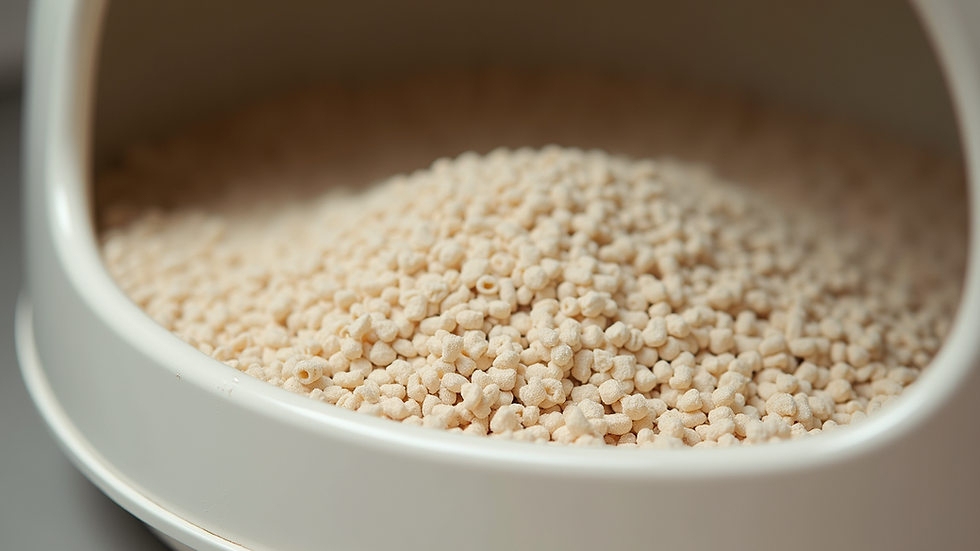
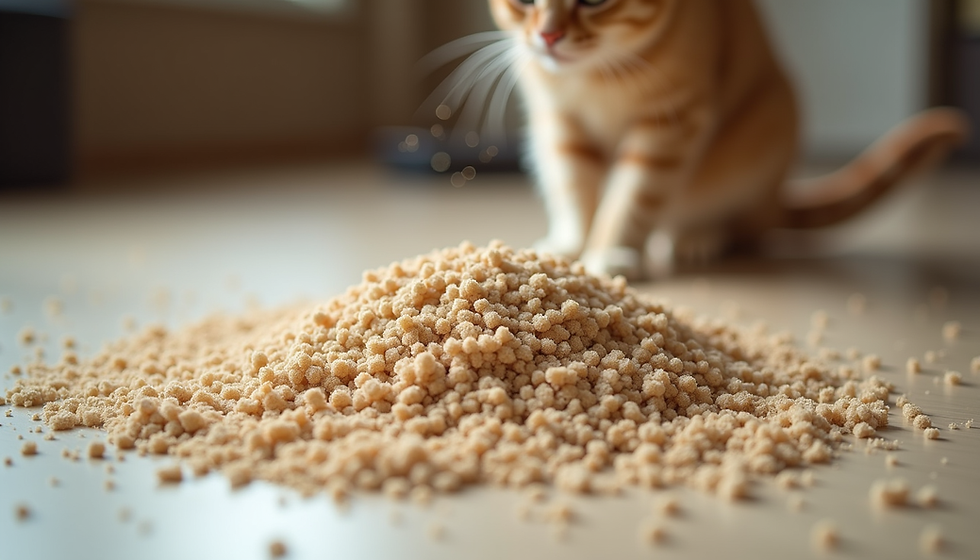
For litter setup, low-dust and consistent is the goal. Ragdolls can be sensitive to strong scents and textures, so abrupt changes to their litter type can cause stress. If you're switching products, do it gradually. The goal isn't complexity — it's stability.
Final Thoughts
The Ragdoll's continued popularity isn't really about beauty, though they have plenty of it. It's about what they offer emotionally — a kind of companionship that feels balanced. Affectionate without being overwhelming. Present without being intrusive.
In a fast-moving world, there's something genuinely reassuring about a cat that simply wants to be near you.
If any of the traits described in this guide resonate with what you're looking for, the Ragdoll is well worth considering. And if you're ready to take the next step, our guide on what to ask a Ragdoll breeder before you visit is a good place to start.

Comments