Why Do Cats Knead? The Fascinating Meaning Behind This Adorable Behavior
- Nguyên Nguyễn Khôi
- Mar 10
- 4 min read


If you’ve ever had a cat, you’ve probably seen them rhythmically pressing their front paws into a blanket, pillow, or even your lap. This adorable behavior is known as kneading.
Before they begin, cats often stretch and settle into a soft, comfortable spot, almost as if they’re getting ready for the task. But why has this charming behavior become such an instinct for cats?
Why Do Cats Knead?
A Habit That Begins in Kittenhood

When kittens are nursing, they instinctively press their paws against their mother’s belly to help stimulate the flow of milk and feed more easily. This is a natural survival reflex—an instinct they are born with rather than something they learn. Even as adults, this early instinct can remain. When cats encounter soft surfaces, the same response may be triggered, leading them to knead just like they did as kittens.
Feeling Safe and Content
Because kneading is closely connected to the bond between a kitten and its mother, cats often repeat this behavior when they feel safe and comfortable. So when your cat kneads on you, it’s a wonderful sign of trust and affection.
If the kneading is accompanied by gentle purring, or sometimes even a little drooling, it usually means your cat is completely relaxed and enjoying the moment.

A Subtle Way to Mark Their Territory
Many cat owners may not realize that beneath the soft pads of a cat’s paws are scent glands that release their unique personal scent—similar in purpose to scent marking with urine or other territorial signals. When cats knead repeatedly on objects or even on you, they may be leaving behind their scent. In their own subtle way, this behavior helps mark what they consider familiar and special, quietly claiming that this person or object is something they truly love.

An Instinct to Prepare a Resting Spot
In the wild, the ancestors of modern cats often trampled down dry leaves or tall grass to create a flat, safe place to rest before lying down.
When domestic cats repeat this behavior on your bed or cushion, they are simply following this inherited instinct—almost like “making the bed” for themselves to ensure a comfortable and restful sleep.

A Comfortable Environment Also Influences Cat Behavior
Relaxed behaviors like kneading usually appear when cats feel safe and comfortable in their environment. This sense of security is influenced not only by where they sleep, but also by other familiar elements in their daily routine.
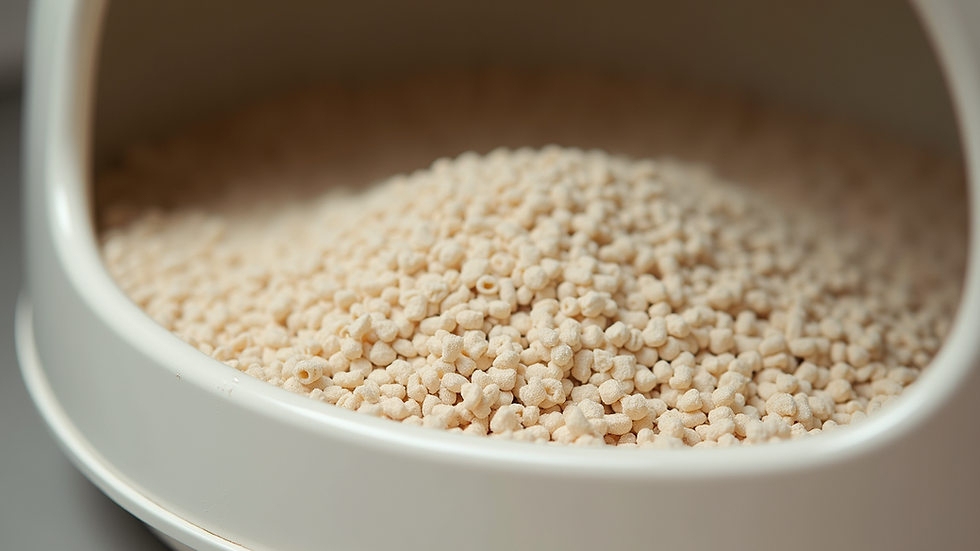
One important factor is the litter box. Cats are highly sensitive to both scent and texture, which is why they tend to prefer litter that is soft, easy to dig in, and low in odor. When the litter box stays clean and dry, cats are more comfortable and more likely to maintain their natural, relaxed behaviors.
For this reason, Vapo Cat’s tofu cat litter is developed to better align with the natural habits and preferences of cats.

Key Benefits of Vapo Cat Tofu Cat Litter
Effective odor control to help keep your living space fresh and comfortable
Low dust formula, making it safer for the respiratory health of both cats and their owners
Fast clumping, making litter box cleaning quicker and easier
In addition to the tofu line, Vapo Cat also offers other types of cat litter to suit different needs and preferences, including coconut fiber litter, bentonite litter, and silica gel litter.
What Should You Do When This Loving Gesture Becomes Uncomfortable?
It May Sometimes Hurt You
Although kneading is a sweet and affectionate behavior, a cat’s instinct may sometimes cause their claws to extend unintentionally, which can feel uncomfortable and occasionally hurt.
In these situations, it’s important not to punish or stop your cat from kneading, as suddenly interrupting this instinctive behavior may cause stress. Instead, you can trim your cat’s claws regularly or place a thicker blanket between you and your cat to help protect your skin.
What If Your Cat Doesn’t Knead?
In reality, kneading is just one of many ways cats show their affection toward their owners. You can still recognize your cat’s love through other gestures, sounds, and body language—such as a calm, slow blink directed at you, which is often a quiet sign of trust and contentment.
Conclusion
Taking the time to observe and understand your cat’s natural behaviors is one of the best ways to build a stronger bond with them. When we learn the meaning behind small actions like kneading, it becomes easier to create a living environment that feels comfortable and suitable for our feline companions.
That is also the goal Vapo Cat strives for when developing its cat litter products—to help create a clean, pleasant living space for both cats and their owners.
Nguồn tham khảo:
Megan Bartels (7 September 2023) ‘Why Do Cats Knead like They’re Making Biscuits?’, Scientificamerican, accessed 9 March 2026. https://www.scientificamerican.com/article/why-do-cats-knead-like-theyre-making-biscuits/
Valley Animal Hospital (3 November 2025) Kneading In Kitties, Valley Animal Hospital website, accessed 9 March 2026. https://thevalleyanimalhospital.com/kneading-in-kitties/


Comments